
Third-Party Claims After A Nevada Work Injury
This is the claim most injured workers never hear about. When a careless driver, another company's crew, or a bad machine hurt you on the job, Nevada law lets you sue them for the full harm while your workers' comp keeps paying. Erik Severino has spent 20+ years taking on insurers and big corporations, and he finds that second claim.
- Full lost wages and pain and suffering, not just comp
- No fee unless we win your case
- Free, confidential review, available 24/7
- You work directly with Erik, not a call center
Talk to Erik Today
Takes about a minute. We respond fast.
We've Got Your Details
Someone from our team will call you shortly. For immediate help call (702) 360-5000.
What A Third-Party Claim Is, In Plain Terms
A third-party claim is a personal injury lawsuit against someone other than your employer who caused your work injury. Nevada's comp system trades away your right to sue your own employer, that's the deal written into NRS 616A.020, but it never protects the outside world. The driver who ran the light while you were making a delivery, the other company's crew that dropped a load, the manufacturer whose machine failed: they can all be sued like any negligent stranger, because that's exactly what they are.
Here's the part that surprises people most: you don't choose between the two. NRS 616C.215 is built around workers doing both at once. Your comp benefits, the medical care and the wage checks, keep flowing while the lawsuit moves, and a pending case never pauses them. Comp keeps the lights on now. The third-party case goes after everything comp will never pay: your full lost income, your future earning power, and the pain the injury actually caused.
The catch is that the two tracks are wired together in ways that punish mistakes: notice duties to the comp insurer, a lien on your recovery, immunity rules that decide who you can even sue. Erik has spent more than 20 years taking on insurers and big corporations, and he runs both tracks himself so neither one damages the other. That's what this page walks through.
"I loved how Erik Severino and his team helped me in my case, everything was smooth and quick also they are super responsible and they respond quick to all my questions and concerns! 😊 💯recommended!"
The Timeline Of A Third-Party Comp Case In Nevada
Every one of these cases runs on two tracks at once: the comp claim with its short, unforgiving deadlines, and the lawsuit with its longer arc. Miss a step on either track and the other one suffers. Here's how the whole thing actually unfolds.
From The Injury To The Check, On Both Tracks
The Injury
Get medical care and give written notice to your employer within 7 days (the C-1 form).
Photograph the scene, the vehicle, or the machine, and write down every outside company involved.
Claims Open
The C-4 claim for compensation gets filed, usually at your first clinic visit.
We identify the third party and send preservation letters before the evidence changes.
Benefits Start
The insurer must accept or deny the claim within 30 days, then benefit checks and treatment flow.
Contracts, the Nevada OSHA file, camera footage, and witness statements get locked down.
Two Tracks Run
Treatment continues to maximum medical improvement, then a permanent impairment rating.
Written notice goes to the comp insurer before suit is filed, then demand and negotiation with the third party's insurer.
Suit Filed If Needed
Comp benefits keep paying; a pending lawsuit never pauses them.
If there's no fair offer, the negligence case gets filed in District Court under NRS 11.190 before the two-year mark.
Recovery And Lien
Your medical benefits stay protected; any offsets against future checks are capped by statute.
Settlement or verdict pays, the comp lien gets resolved under the 2025 rules, and the breakdown goes to the insurer within 15 days.
Deadlines: written notice within 7 days and the claim within 90 days (NRS 616C.015, 616C.020); insurer decision within 30 days (616C.065); lawsuits generally within 2 years (NRS 11.190). Lien and notice rules: NRS 616C.215, as amended in 2025. Every case moves at its own speed; the order is what stays the same.
Six Third Parties We Look For On Nevada Jobs
Every work injury we review starts with one question: did anyone other than your employer help cause it? These are the usual suspects, and more than one can apply to the same accident.
A Careless Driver
You were driving for work, making a delivery, or crossing a lot when another motorist hit you. That driver and their insurer are on the hook, not just comp.
A Negligent Subcontractor
On a shared job site, the crew that left the trench open or dropped a load on you works for a different company than yours. That outside company can be held liable.
A Defective Machine Or Product
If a press, lift, ladder, or power tool failed and hurt you, the maker or distributor of that equipment can owe you for a product that was unsafe.
An Unsafe Property Owner
When you are hurt on a site or building your employer does not own or control, the owner or property manager who let a hazard sit can be responsible.
An Outside Vendor Or Contractor
The elevator-service company, the tire shop, the maintenance crew another business sent in. Specialized outside contractors generally remain suable even on shared sites.
A Customer Or Stranger
A patron who attacks a worker, or a member of the public whose recklessness causes the injury. Sometimes the business that failed to provide security shares the blame.
Scenarios That Are Both Comp And A Lawsuit, From The Strip To The Truckee
The pattern is always the same: hurt on the clock, so comp applies, and hurt by an outsider, so a negligence case applies too. What changes is the cast. Here's how the same two-claim structure shows up on real Nevada jobs, south and north.
Southern Nevada Scenarios
- A delivery driver rear-ended on I-15 near the Spaghetti Bowl: comp from his employer, a negligence case against the driver who hit him.
- A convention rigger at the expo halls hurt when an outside AV vendor's lift tips: comp plus a case against the vendor.
- A hotel houseman injured by an elevator an outside service company botched: comp plus a claim against the repair company.
- A temp warehouse worker in North Las Vegas crushed by another company's forklift: comp through the agency, a case against the operator's employer.
- A framer on a Summerlin site hit by a load a different sub's crane dropped: comp plus a case against that subcontractor.
Northern Nevada Scenarios
- A dock worker at the Tahoe Reno Industrial Center struck by an outside trucking company's rig backing in: comp plus a case against the carrier.
- A sales rep T-boned on US-395 between client visits: comp because she was working, a crash case against the other driver.
- A casino maintenance tech downtown hurt on an outside contractor's bad scaffold: comp plus a claim against the scaffold company.
- A road crew worker clipped by a speeding driver in an I-80 work zone: comp plus a serious negligence case against the motorist.
- A line worker hurt when a machine's guard fails at a Sparks plant: comp plus a product case against the machine's manufacturer.

Car Accidents On The Clock Are Two Cases In One
Vehicles are the third party we see most. Transportation incidents killed 8 Nevada workers in 2024, nearly a quarter of the state's total. If you were driving for work, making deliveries, running a work errand, or traveling between sites when someone hit you, comp covers you and the at-fault driver owes you a full car accident claim on top. The ordinary commute usually doesn't count, but almost everything else behind the wheel for your employer does.
Comp Runs On Strict Limits. A Personal Injury Suit Doesn't.
Workers' comp is deliberately narrow. Temporary disability pays two thirds of your average monthly wage under NRS 616C.475, and that wage is itself capped by a statutory maximum the state resets every July. The benefit list in the comp chapters has no line for pain and suffering, none for emotional distress, and none for punishing the company that hurt you. Permanent awards run through the impairment formula our comp settlement page explains, and the formula is the ceiling. However bad the injury, comp pays the schedule.
A personal injury suit against the third party has none of those walls. It reaches your full lost wages, not two thirds of a capped number. It reaches your future earning power if you can't return to the trade. It puts a real value on pain, on the surgeries, on what the injury did to your family. And when the conduct was egregious, Nevada allows punitive damages within the limits NRS 42.005 sets. Even your own mistakes don't bar the door: under NRS 41.141 you can share up to half the fault and still recover, with your award trimmed by your percentage.
That gap, between a capped schedule and full damages, is why the third-party case is usually where a serious injury gets made whole. For the worst harms, see our pages on spinal cord injuries, traumatic brain injuries, and wrongful death claims.
Nevada Rewrote The Lien Rules In 2025, In Your Favor
Here's the piece that trips people up. Your comp insurer pays your benefits now, then holds a lien on whatever you recover from the third party under NRS 616C.215. For years that lien kept growing teeth: in 2024, the Nevada Supreme Court's AmTrust v. Vasquez decision let insurers reach the total recovery, pain and suffering included. The Legislature answered fast. Senate Bill 258, signed May 31, 2025 and effective immediately, capped the lien at one third of your total recovery or the benefits actually paid, whichever is less, and cut it further by half of your verified litigation costs.
Say your case settles for three hundred thousand dollars and comp has paid half that in benefits. Before 2025, the insurer could demand every dollar of its money back off the top. Today its lien is capped at one third of the recovery, a hundred thousand, and half of your verified litigation costs come off that number too. You keep at least two thirds of what you win.
Illustration only, using the NRS 616C.215 formula as amended in 2025. Every case's numbers differ. Each case is unique.
The 2025 law protects the future too. Your medical benefits for the accepted injury can't be offset against the recovery, and any offset against future wage checks is capped at a third of each payment. In exchange, the statute puts duties on you: the comp insurer gets written notice before you file suit, and after settlement it receives its share, with a full breakdown, within 15 days. The rules apply to cases that weren't already final when the law took effect, which means plenty of workers with pending claims are owed better math than their first lien letter showed.
Read that paragraph again and you'll see why we say this plainly: do not file a third-party lawsuit in Nevada without an experienced workers' comp attorney on it. The lien math, the notice duties, the immunity lines that decide who you can even sue, and the timing between the comp rating and the settlement all interact, and each one is a place where a self-filed case quietly loses money it can never get back. One lawyer running both tracks, from the first form to the final breakdown, is how the new law's protections actually reach your pocket. That first conversation with us is free.
"Erik is one of the best, very responsive always professional and he answered all our questions. He guide us to the process and he informed us of all the options available. Thank you Erik, keep up the good work"
Proof Decides Whether There's A Second Claim
A third-party claim lives or dies on evidence, and most of it starts vanishing the day you're hurt. The machine that crushed your hand gets repaired or scrapped. The subcontractor's crew rotates off the job. The site changes by the next shift. If nobody acts fast, the proof that some outside company caused your injury is gone before anyone asks for it.
So this is the first thing we chase, not the last. We move to lock down the equipment itself before it's altered, along with its maintenance and inspection records. We pull the contracts and site plans that show which company controlled the area where you fell or got hit. We request any citation from Nevada OSHA, and we track down every worker and vendor who was near you that day. Photographs, dashcam footage, and the delivery van's telematics matter too, and they're easy to lose. We send preservation letters early so the companies holding that proof can't quietly let it disappear.
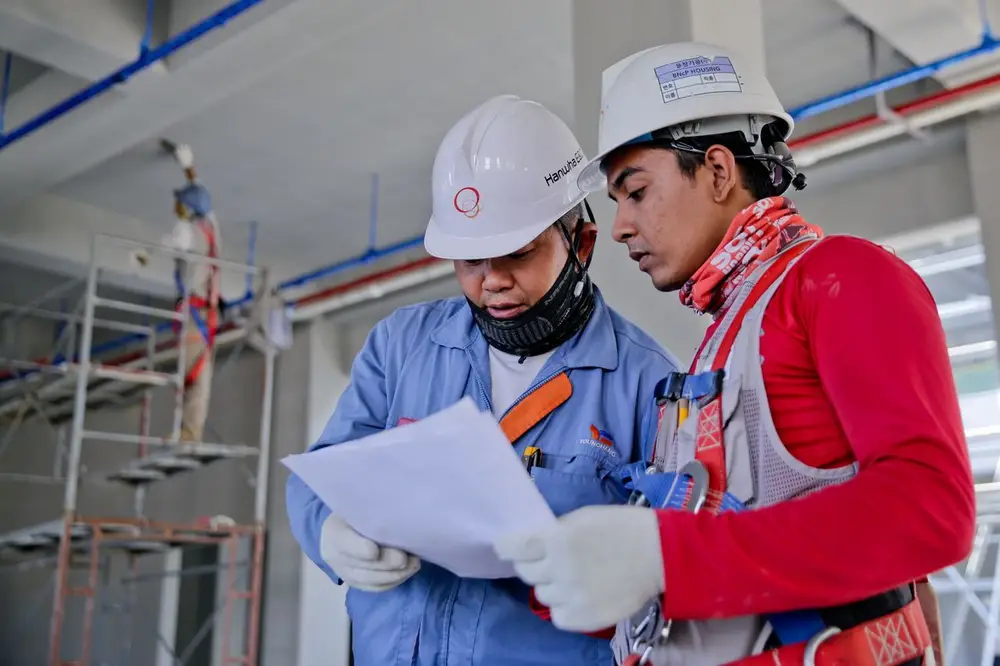
The Worst Job Injuries Often Have An Outside Cause
When a third party is involved, the harm tends to be severe, because heavy equipment, falls, and vehicles are usually behind it. These are the ones we see most.
- ✓Crushed hands and fingers
- ✓Falls from height
- ✓Burns and electrocution
- ✓Back and spine injuries
- ✓Head trauma and TBI
- ✓Amputations

One Lawyer Who Sees Both Claims At Once
A lot of firms handle comp or injury, and they miss the second claim sitting right next to the first. Erik works both. He's a licensed Nevada attorney since 2006, and he runs the comp side and the third-party side together so the lien never quietly eats your recovery.
No Fee Unless We Win
You pay nothing up front. Our fee comes out of the recovery, and we go over case costs with you before anything starts.
Available 24/7
Injuries don't keep office hours. Call nights, weekends, and holidays. Hablamos Español.
Local To Henderson And Las Vegas
From our office on St. Rose Parkway, we know the job sites, the courts, and how the comp carriers operate here.
Four Steps That Keep Your Options Open
You don't have to do all of this perfectly. Do what you can, and we'll handle the rest.
Report And Get Care
Tell your employer, file the comp claim, and see a doctor. That protects your health and your benefits.
Save The Evidence
Photograph the machine, the scene, and any hazard. Note every company working near you.
Don't Sign Anything Yet
No recorded statement to an outside insurer and no quick release before a lawyer reviews it.
Call Erik
We start preserving proof and tracking the third party while you focus on healing.
Under NRS 11.190, you generally have two years from the injury to file a third-party lawsuit. Your separate comp claim has much shorter reporting deadlines, and a government party can carry a special claim procedure. Talk to us early so no deadline decides your case for you.
Find The Page That Fits Your Situation
Third-party claims overlap with the rest of our work injury practice and the crash cases. Start with the one closest to what happened to you.
Third-Party Claim Questions, Answered
Your Next Step Is A Free Case Review
Tell us what happened and who else was there. We'll tell you honestly whether there's a third-party case next to your comp claim, what the 2025 lien rules mean for your numbers, and what both claims would take. No pressure, no cost, no obligation.
Prefer to call right now?
(702) 360-5000Start Your Free Case Review
We respond within the hour.